The Chihuahuan Desert looks too dry for termites, but the important activity happens below the surface. Desert subterranean termites live in soil, where they stay protected from sun and dry air. They reach homes through cracks, construction joints, plumbing penetrations, soil-covered stucco edges, and narrow mud tubes that preserve moisture during travel.
Las Cruces homes can face termite pressure whether the yard is xeriscaped or irrigated. What matters is the connection between soil, moisture, cellulose, and the structure.
How Subterranean Termites Reach a Home
A termite colony sends workers through soil in search of cellulose. Wood framing is an obvious food source, but cardboard, buried form boards, paper-faced drywall, landscape timbers, and other plant-based material can also support activity.
Workers may enter through a crack too narrow to notice. When they must cross exposed concrete or masonry, they build a mud tube from soil, saliva, and organic material. The tube protects them from dry air and predators.
Common Las Cruces access conditions include:
- Stucco or soil that hides the top of the foundation.
- Irrigation directed close to stem walls or slab edges.
- Plumbing leaks and damp soil around penetrations.
- Wood fencing, posts, or landscape timbers touching soil and the building.
- Cellulose debris left below additions, patios, or crawl areas.
- Cracks and joints around garages, slabs, and utility lines.
What a Termite Mud Tube Looks Like
Subterranean termite tubes often look like narrow, irregular lines of dried soil. They may climb a garage wall, foundation, pier, plumbing penetration, or hidden surface behind stored items. A tube can be active, abandoned, or rebuilt after disturbance.
Avoid scraping away every tube before an inspection. A technician can use the location, construction details, and condition of the tube to map travel. If you need to clear an area, photograph the evidence first and keep the exact location noted.
Termite Swarmers Versus Flying Ants
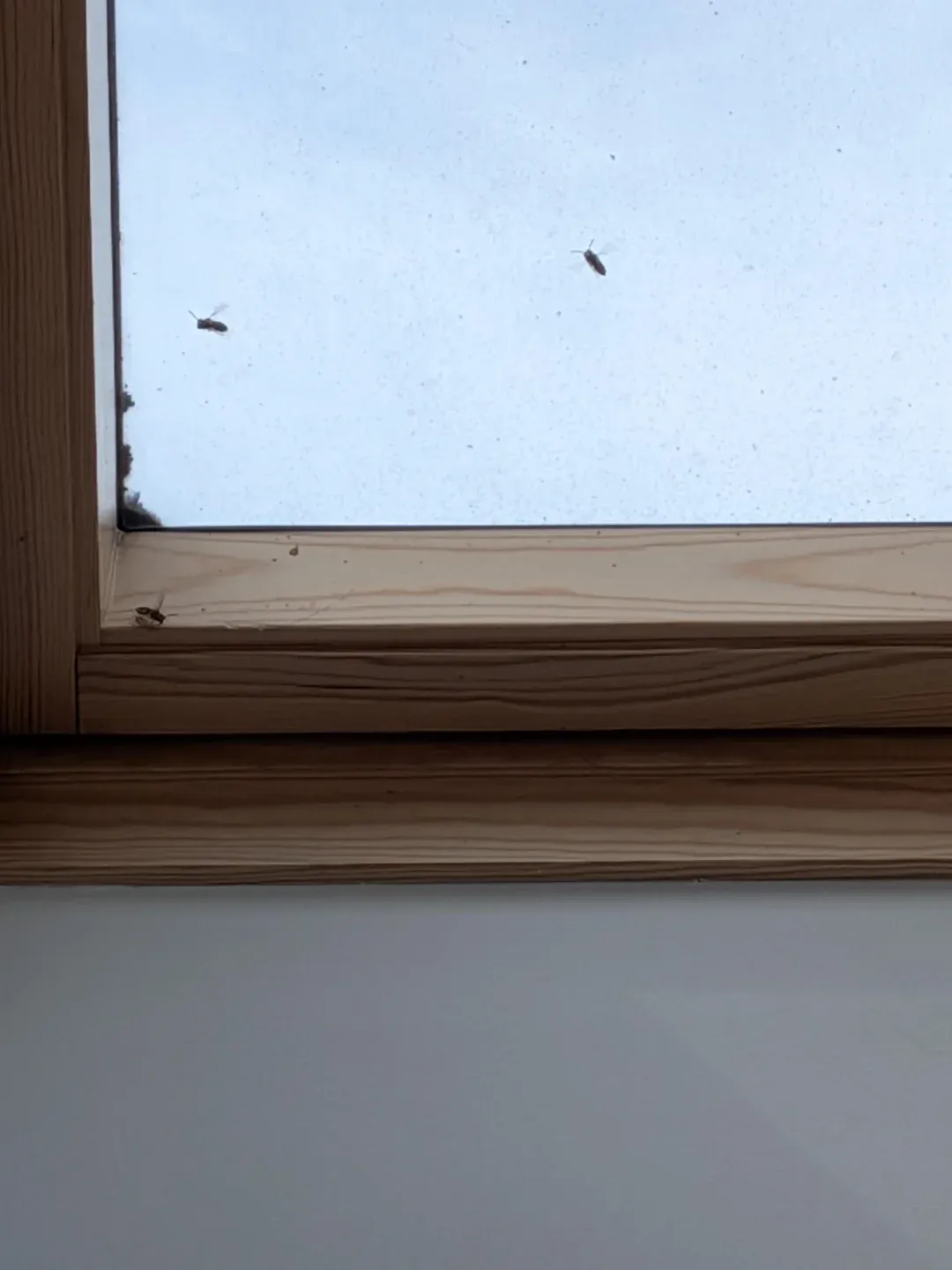
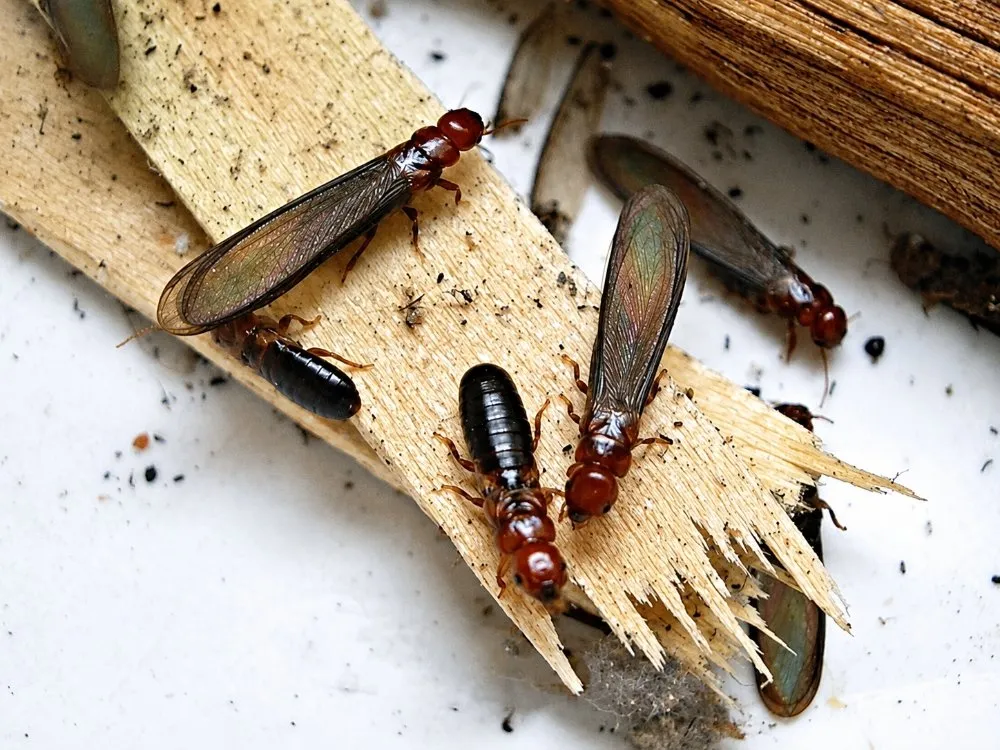
Winged termites and flying ants are easy to confuse from across a room. Up close, termite swarmers have broad waists, straight antennae, and two pairs of wings that are close to equal in length. Flying ants have pinched waists, elbowed antennae, and unequal wing pairs.
Shed wings near windows or doors can be more useful than a blurry photo. Save a sample in a small container when it is safe to do so. Correct identification prevents an ant problem from receiving a termite scope or a termite warning from being dismissed as ants.
Why Irrigation Matters in a Desert Climate
Termites do not need a wet house, but dependable soil moisture can make travel easier. Irrigation overspray, leaking emitters, poor drainage, and water held beside a foundation create attractive conditions. Mature Mesilla Valley landscaping may also hide soil contact and keep foundation edges shaded.
Reducing excess moisture is worthwhile, but it does not remove a colony already connected to the structure. Moisture correction supports treatment and prevention; it is not a substitute for inspection when mud tubes, swarmers, or wood damage are present.
Signs of Possible Hidden Damage
Subterranean termites often feed inside wood and follow the softer grain, leaving a thin outer surface. Watch for hollow-sounding trim, wood that breaks easily, layered galleries with soil, blistered paint, damaged baseboards, or unexplained distortion near a known tube.
These signs are not proof by themselves. Leaks, decay, and other insects can cause similar changes. A termite inspection in Las Cruces connects the surface evidence with accessible structural areas and soil routes.
What Professional Treatment May Include
The right method depends on construction, access, activity, and the treatment goal. Options may include soil treatment, bait systems, drilling through selected hard surfaces, localized treatment, or a combination. A trustworthy scope explains why each zone is included and how follow-up or warranty coverage works.
The EPA termite identification and control guide explains consumer prevention, treatment, and pesticide-label considerations. The National Pesticide Information Center termite overview adds an independent comparison of termite types and control decisions.
Ask these questions before approving treatment:
- Where was termite evidence found?
- Which parts of the structure could not be inspected?
- What treatment method fits the construction and why?
- What preparation or access is required?
- What follow-up, maintenance, and warranty terms apply?
Reduce Termite-Friendly Conditions
Keep the foundation edge visible, direct irrigation away from the building, repair leaks, remove cellulose debris, and avoid wood-to-soil connections. Store cardboard and lumber off the garage floor and away from exterior walls. Recheck areas where utilities, patios, and additions meet the original structure.
Our PC Las Cruces overview connects termite prevention with broader desert-home care. The Las Cruces monsoon pest guide explains how storm water changes pest routes around foundations. If you find a suspicious tube or swarmer, preserve the evidence and request a professional inspection before applying surface spray or covering the area.
- #subterranean termites
- #termite inspection
- #southern New Mexico
- #Las Cruces